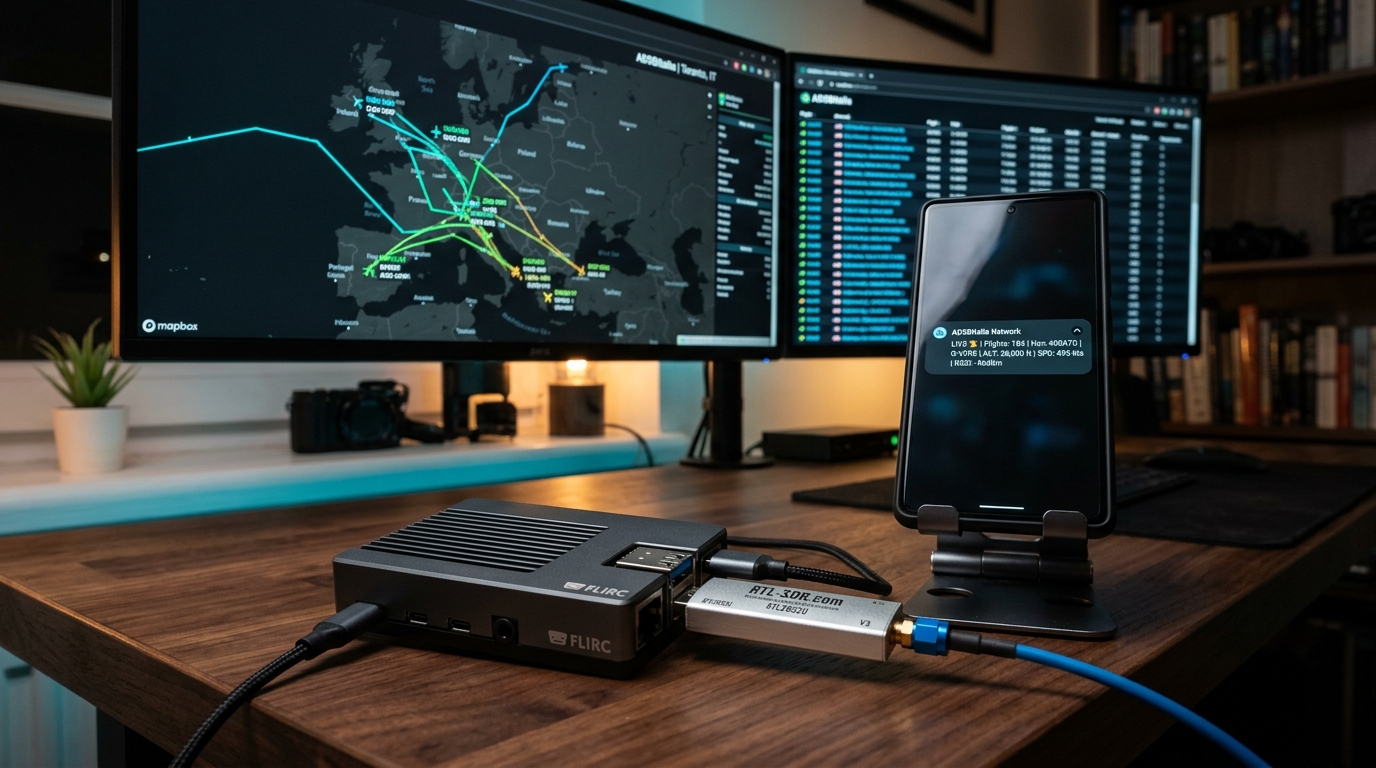
Monitoring shortwave (HF) aeronautical communications and ACARS addressing and reporting messages represents a fundamental frontier for radio enthusiasts and aeronautical telecommunications engineers. By leveraging high-performance Software Defined Radio (SDR) receivers, dedicated antennas, and the open-source software dumphfdl, it is possible to capture transoceanic telemetry and operational messages from any ground station worldwide, integrating feeds directly into the global network of map.adsbitalia.it.
⚡ Technical Sheet & Operational Data
1. Hardware Configuration: SDR Receivers and Shortwave Antennas
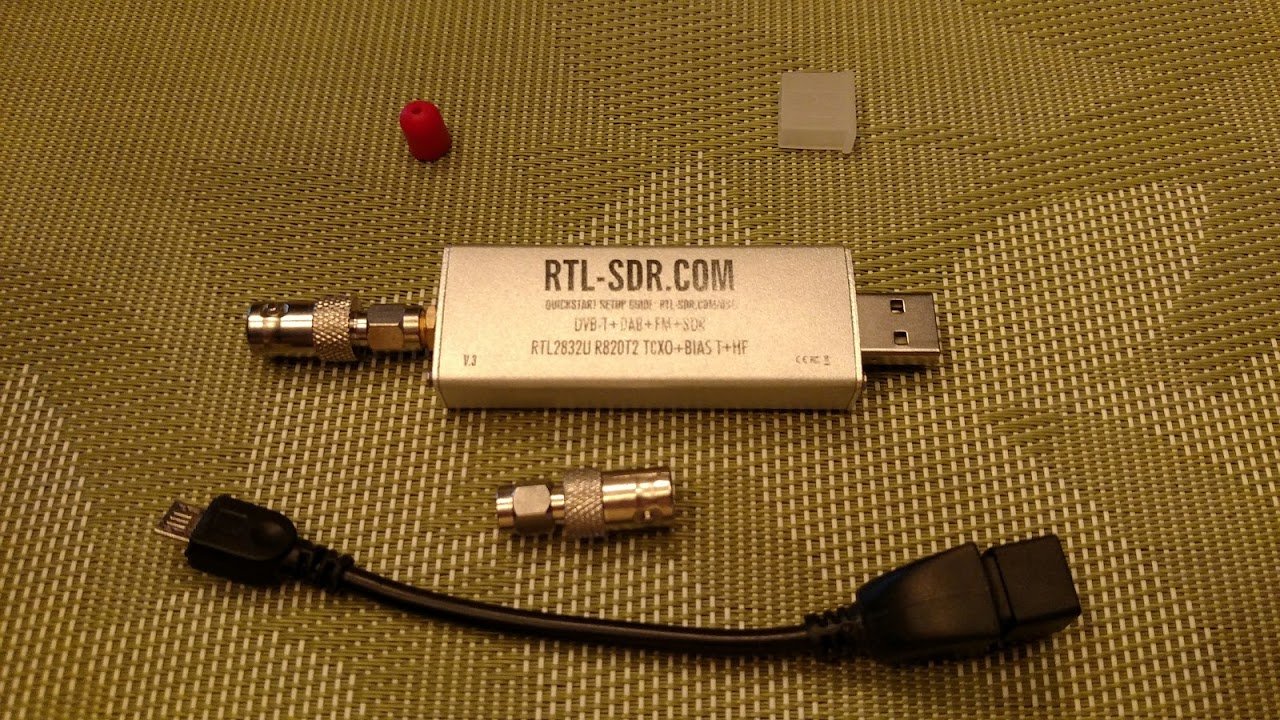
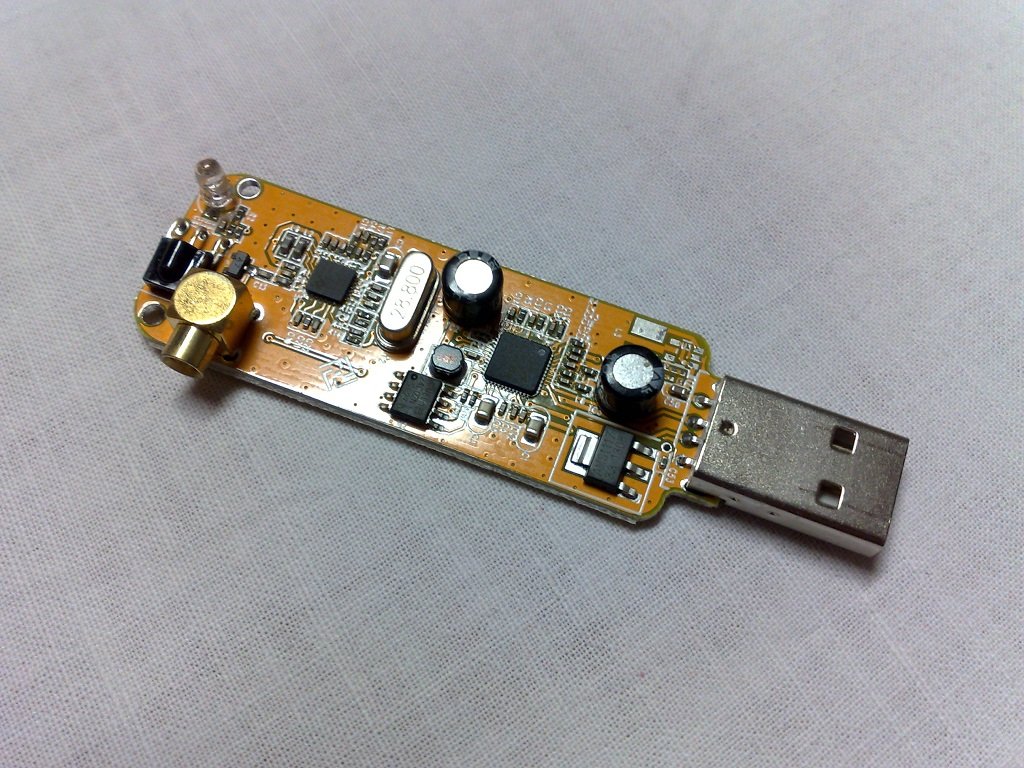
HFDL signal reception requires a carefully designed RF setup to prevent front-end saturation caused by strong commercial broadcasting stations. Recommended devices include the RTL-SDR v4 (thanks to its exceptional Q-branch direct sampling circuit for HF) and the Airspy HF+ Discovery for superior dynamic range performance.
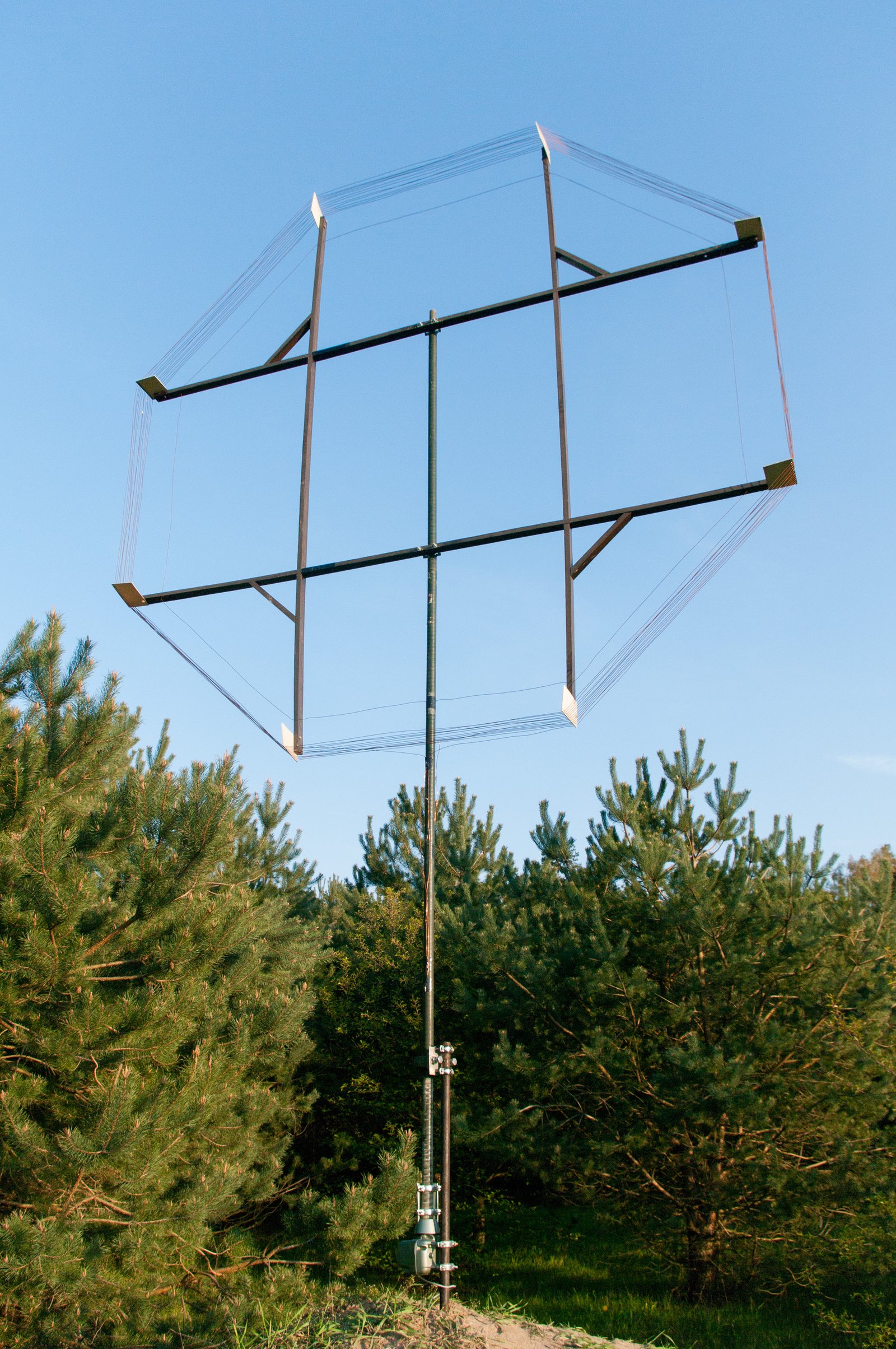
Regarding radiating elements, the most effective solutions are:
- Long Wire / Random Wire Antenna: An insulated copper conductor with a physical length of 16.2 meters or 20 meters, coupled via a 9:1 UNUN impedance transformer (wound on an Amidon FT140-43 ferrite toroid core) and equipped with a solid 5-10 meter RF ground counterpoise.
- Active Loop Antennas: Active magnetic loop antennas such as the MLA-30+ or YouLoop, powered via bias-tee and oriented to maximize the null towards local RF noise sources (switching power supplies, power lines).
- Cabling and Filtering: Low-loss coaxial cable (RG-58 for short runs, LMR-200 or RG-213 for extended runs) incorporating an HF low-pass filter or FM notch filter (88-108 MHz) to protect the receiver from high-intensity interference.
2. Installation and Compilation of dumphfdl
The primary decoder for the High Frequency Data Link (HFDL) protocol is dumphfdl developed by szpajder. Below are the Linux terminal commands (Ubuntu/Debian/Raspberry Pi OS) to install dependencies, clone the source code, and compile the optimized binary:
sudo apt update && sudo apt install -y build-essential cmake libglib2.0-dev libconfig-dev librtlsdr-dev libsoapysdr-dev
git clone https://github.com/szpajder/dumphfdl.git
cd dumphfdl && mkdir build && cd build && cmake .. && make -j$(nproc) && sudo make install
Once compilation is complete, you can launch the decoder specifying the SoapySDR driver, RF gain, sample rate, and target ground station frequencies:
dumphfdl --soapysdr driver=rtlsdr --gain 40 --sample-rate 2400000 8942 10081 11312 13315 --output decoded:text:file:path=-[2026-03-30 14:22:10 UTC] [HFDL] [Station: Shannon 8942 kHz] [Aircraft: N1810R (Boeing 777-3ER)] [SQ: 4] [SPDU: Ground Block] [Msg: METAR / POS-REP FL350 M0.82 Waypoint 50N020W]3. Operating Frequencies and Ionospheric Propagation
HFDL ground stations use M-PSK modulation (300 to 1800 bps) in Upper Sideband (USB). Frequency selection depends heavily on ionospheric propagation (day/night): lower frequencies (3-8 MHz) during nighttime hours, higher frequencies (11-21 MHz) during daytime hours.
| Ground Station / System | Main Frequencies (kHz) | Geographical Coverage |
|---|---|---|
| Shannon (System 04, Ireland) | 3004, 5529, 6532, 8942, 10081, 11312, 13315, 17925 | North Atlantic and Western Europe |
| San Francisco (System 01, USA) | 5547, 8957, 10075, 11348, 13315, 17928 | Eastern Pacific and North America |
| Reykjavik (System 06, Iceland) | 3016, 5547, 8912, 10084, 11354, 13276, 17985 | Arctic and North Atlantic |
| Auckland (System 03, New Zealand) | 3470, 5547, 8912, 11354, 17919 | South Pacific and Oceania |
| Canary Islands (System 11, Spain) | 3004, 5529, 8942, 11312, 13315, 17925 | Central Atlantic and Western Africa |
4. Share Your Data with ADSBItalia (Feeding HFDL/ACARS)
All network contributors can forward decoded data streams (ACARS and HFDL) to ADSBItalia's central aggregator server via TCP/UDP connection. Sharing data helps improve global coverage of oceanic flights that are not visible through standard line-of-sight ADS-B channels.
To configure your feeder and send data to our network, consult our ADSBItalia ACARS/HFDL Feeder Guide and join the community on our interactive live radar map map.adsbitalia.it.