Cruising at 37,000 feet (FL370) over the vast ice caps of the Arctic and North Atlantic is one of the most demanding operational environments in modern commercial aviation. In these remote high-latitude regions, civilian diversion airports are hundreds of miles apart, outside air temperatures plummet to -65°C, and options are razor-thin. When a severe inflight emergency strikes — such as rapid explosive cabin depressurization — flight crews must react within seconds: transponder to Squawk 7700, execute an immediate track offset to avoid traffic below, and plunge into an aggressive emergency descent toward breathable air.
⚡ Technical Overview & Operational Data
1. High-Altitude Physiology: The Race Against Hypoxia
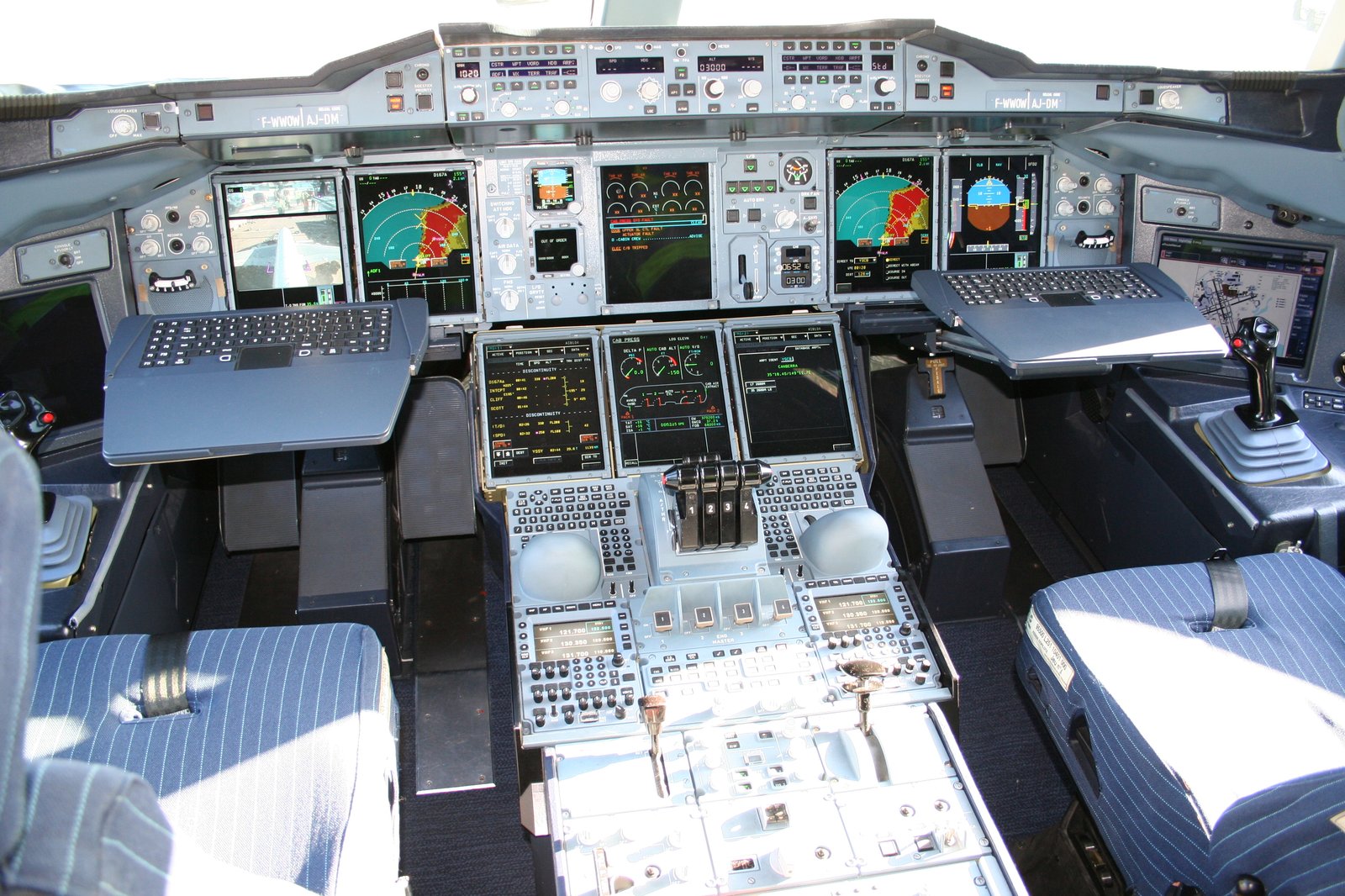
At FL370, ambient atmospheric pressure drops to roughly 215 hPa (less than a quarter of sea-level pressure). If a structural seal fails, a cockpit window cracks, or an environmental control PACK system fails, cabin pressure drops violently. The decompression triggers rapid fogging from sudden condensation, explosive air rushing, and sub-zero temperatures inside the cabin.
The single most critical physiological hazard is the Time of Useful Consciousness (TUC): at 37,000 feet, pilots have between 30 and 60 seconds of clear cognitive function before succumbing to hypoxia. The first priority is never talking on the radio; it is donning the Quick-Donning positive-pressure oxygen mask with one hand in under 5 seconds and establishing crew communications.
2. ICAO Oceanic Contingency: Offset Turns and Emergency Dive
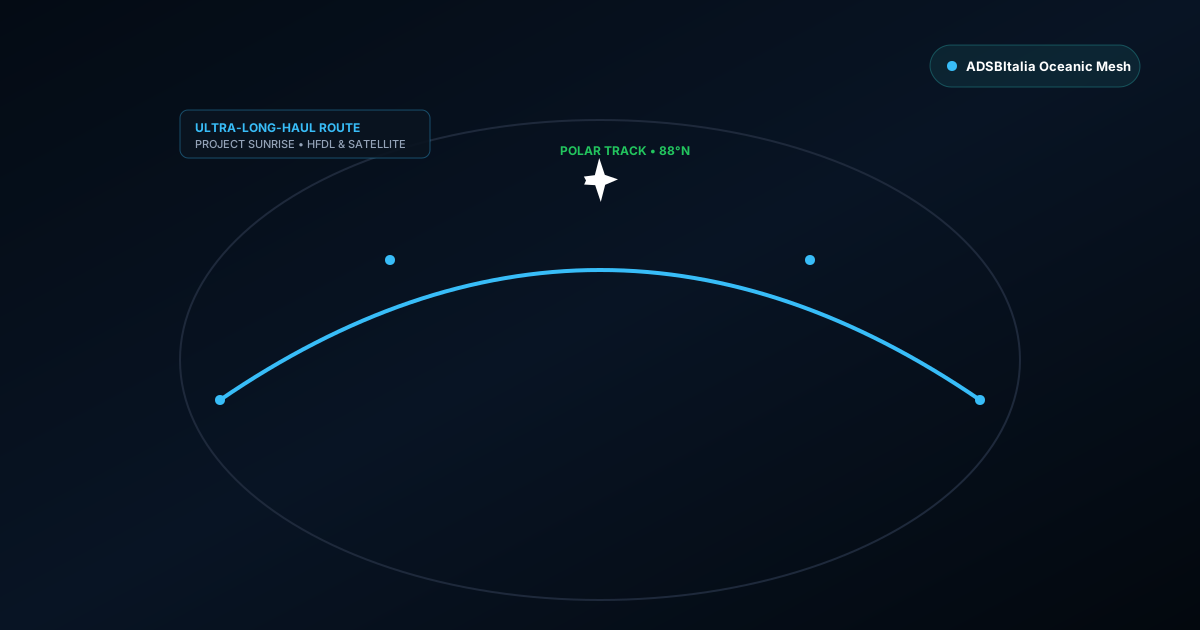
Across transatlantic and polar tracks (NAT tracks and Arctic routes), aircraft fly tightly packed within Reduced Vertical Separation Minimum (RVSM) corridors separated by only 1,000 feet. An aircraft descending straight ahead along its flight plan centerline would risk colliding with aircraft cruising at FL360, FL350, or FL340 directly beneath.
ICAO oceanic contingency standards dictate an exact, practiced sequence:
- Track Offset Turn: The pilot dials an immediate 30° to 45° turn left or right off the airway centerline to establish an offset of at least 5 or 15 nautical miles (NM).
- Speedbrakes Extended: Throttles are brought to Flight Idle and flight spoilers/speedbrakes are extended to maximum deflection to achieve the highest possible descent rate at maximum operating velocity ($V_{MO} / M_{MO}$).
- Vertical Speed: The aircraft plunges downward at -5,000 to -7,000 feet per minute, retaining a steep yet aerodynamically stable descent profile.
- Level-Off Altitude: Descent is arrested at 10,000 feet, where atmospheric oxygen pressure is sufficient for human survival without masks. If flying over towering Arctic terrain (such as eastern Greenland glaciers or the Brooks Range in Alaska), the crew levels off at the Minimum Sector Altitude (MSA), typically 14,000 to 16,000 feet, before clearing the mountains.
3. Squawk 7700: Triggering Oceanic ATC Emergency Systems
As soon as the emergency descent begins, the pilot monitoring selects emergency code Squawk 7700 on the Mode-S transponder.
At Oceanic Air Traffic Control centers (such as Reykjavik OACC, Shanwick Oceanic, Gander Oceanic, or Anchorage ARTCC), squawking 7700 instantly flashes the radar track red across air traffic management displays and sounds an audible room alarm. Controllers immediately clear adjacent altitudes, reroute trailing aircraft, and notify Search and Rescue (SAR) coordination centers.
Concurrently, the crew broadcasts a MAYDAY call on international distress frequencies 121.5 MHz VHF and 243.0 MHz UHF:
"MAYDAY, MAYDAY, MAYDAY - Polar 42, rapid decompression, emergency descent from FL370 to FL100, turning right offset 15 miles, diverting to Keflavik."[14:32:10 UTC] ICAO: 4007B2 | Callsign: POL42 | FL370 | GS: 495 kts | Squawk: 3241 -> NORMAL [14:32:28 UTC] ICAO: 4007B2 | Callsign: POL42 | FL362 | VS: -5400 fpm | SQUAWK: 7700 [EMERGENCY ALERT] [14:33:45 UTC] ICAO: 4007B2 | Callsign: POL42 | FL240 | VS: -6100 fpm | Heading: 145° (Offset Right) [14:35:50 UTC] ICAO: 4007B2 | Callsign: POL42 | FL100 | VS: -800 fpm | Levelled Off | Squawk: 7700
4. Polar Diversion Alternates: Landing in the Frozen North
Once level at 10,000 feet with the aircraft stabilized, crew fuel management becomes urgent. Dense lower air increases fuel burn by nearly 300% compared to high cruise altitudes.
Key Arctic and polar contingency aerodromes include:
- Keflavik (BIKF - Iceland): Twin runways over 3,000 meters, Category III ILS, and full heavy widebody maintenance and hospital infrastructure. The premier diversion hub for the North Atlantic.
- Kangerlussuaq (BGSF - Greenland): Situated at the end of a fjord with a 2,810-meter runway capable of receiving widebody airliners, though bounded by severe terrain and extreme Arctic weather.
- Fairbanks & Anchorage (PAFA / PANC - Alaska): Key 24/7 all-weather intercontinental hubs equipped with heavy de-icing facilities for polar transpacific routings.
- Iqaluit & Yellowknife (CYFB / CYZF - Canada): Strategic cold-weather diversion airstrips designed to accommodate long-haul diversions in temperatures dipping below -40°C.
5. How the ADSBItalia Network Tracks Low-Altitude Emergencies
When an aircraft drops from FL370 down to FL100, its radio line-of-sight footprint shrinks from over 250 nautical miles to roughly 120 nautical miles. Coastal feeder stations become critical.
The distributed receiver architecture of ADSBItalia ensures that even when flights descend below typical oceanic radar horizons, coastal and island receiver nodes capture Mode-S Extended Squitter telemetry, feeding real-time positional updates to our flight tracker.
On our interactive map map.adsbitalia.it, any active Squawk 7700 highlights the target in bold red with an instant emergency badge, allowing tracking enthusiasts and aviation professionals to follow emergency descents and diversions in real time.