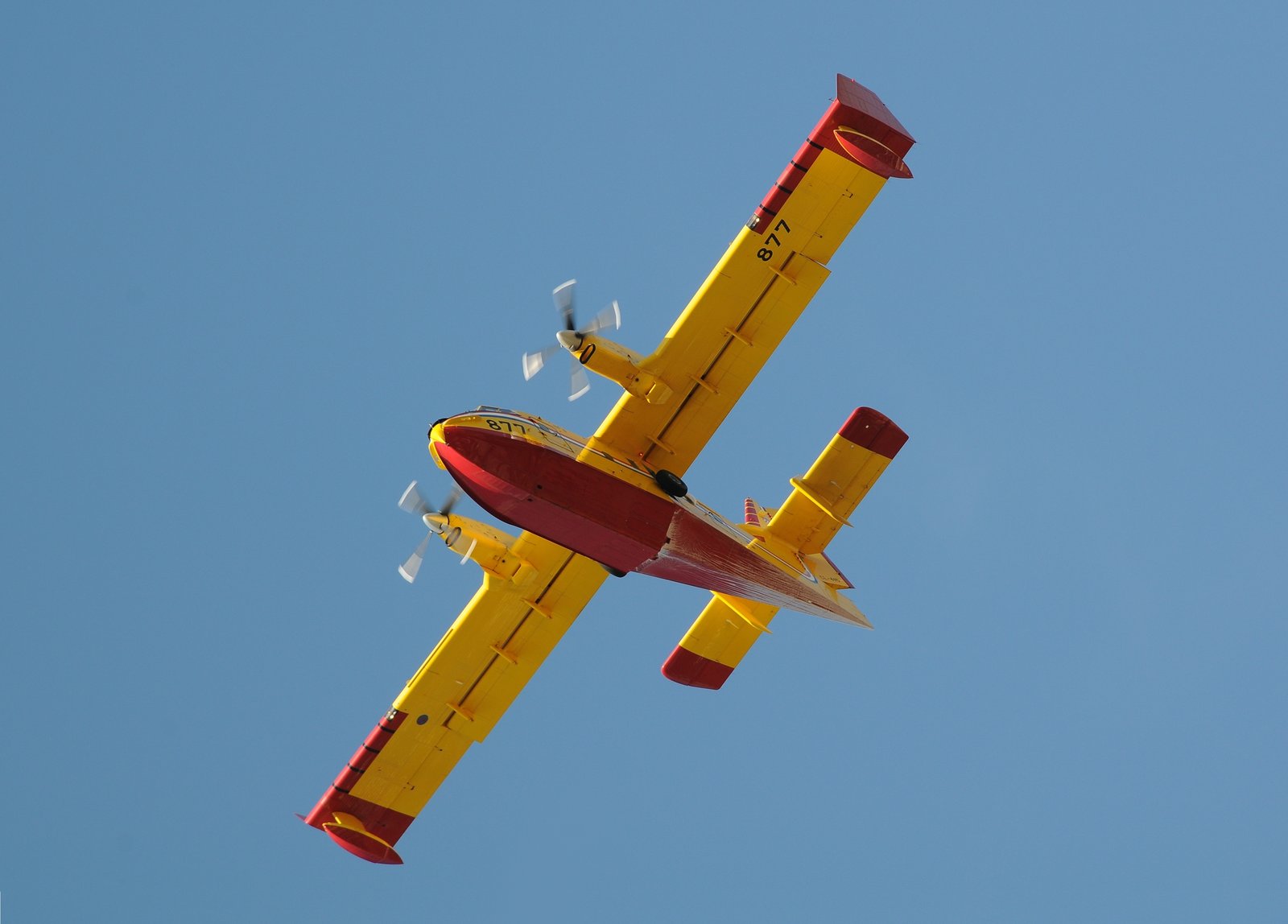
In the operational theater of aerial firefighting, the Bombardier (now Viking) Canadair CL-415 represents the absolute pinnacle of amphibian aeronautical engineering. Known as the 'Super Scooper', this twin-turboprop aircraft combines the structural robustness required to withstand extreme hydrodynamic stresses with the flight agility needed to operate in restricted mountain valleys. Monitoring these strategic assets through the map.adsbitalia.it receiver network requires understanding not only telemetric parameters, but also the aerodynamic and fluid-dynamic physics governing every firefighting mission.
⚡ Technical Sheet & Operational Data
1. Scooping Aerodynamics: Hydrodynamics at 70 Knots
The most critical and spectacular phase of any firefighting mission is water scooping. The CL-415 approaches the body of water (lake or open sea) with a highly specific aerodynamic configuration: flaps extended to 15 degrees, reduced speed between 70 and 75 knots, and a carefully calculated nose-up attitude. The exact moment the hull steps touch the surface, the pilots lower the two retractable scooping probes located beneath the hull.
In just 12 seconds, utilizing dynamic pressure generated by impact speed on the water, the two high-capacity pumps ingest up to 6,137 liters of water into the central tanks. This massive load instantly changes the aircraft's center of gravity and gross weight, transitioning from empty to full payload over a hundred meters of water sliding. Managing the Pratt & Whitney PW123AF turboprop engines requires millimetric adjustments to propeller pitch to prevent stalling or hull sinking.
| Operational Parameter | Technical Value | Engineering Notes |
|---|---|---|
| Max Water Capacity | 6,137 liters | Distributed in two main tanks with hydraulic dump doors. |
| Scooping Time | 12 seconds | Executed on clear water stretches of at least 1,340 meters. |
| Water Contact Speed | 70 - 75 kts | Minimizes structural stress on hull bulkheads. |
| Engine Thrust (PW123AF) | 2 x 2,380 SHP | Turboprops optimized for high power output at low altitude. |
2. Low-Altitude Radar Tracking and ADS-B Coverage
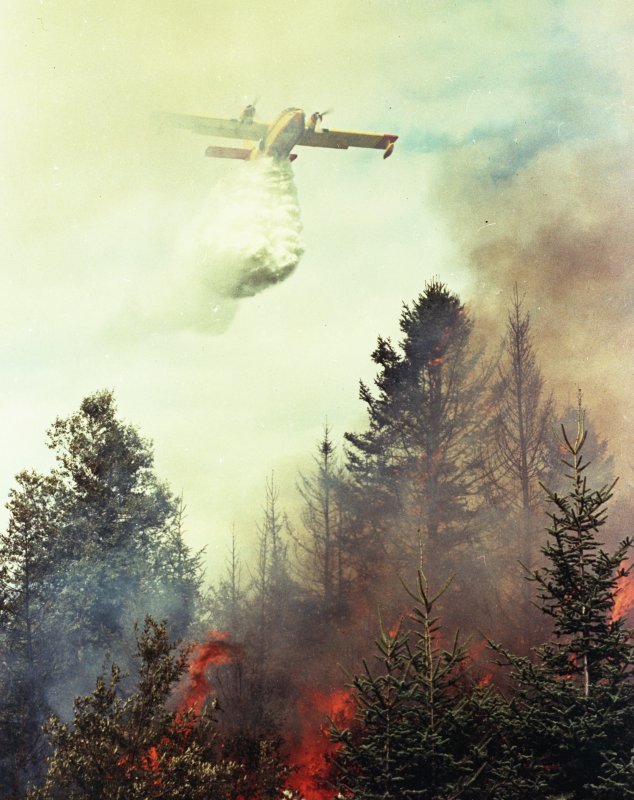
From the perspective of a ground receiver, tracking a Canadair engaged in firefighting operations presents significant technical challenges. Operating constantly below 1,000 feet AGL (Above Ground Level), the Line-of-Sight between the aircraft and ADSBItalia receiving stations is frequently blocked by mountain ridges, hills, and dense forests.
However, onboard Mode-S transponders continuously emit Extended Squitter position messages (1090 MHz). When the aircraft enters a lake basin or flies up a narrow valley, signals experience multipath phenomena (multiple reflections off rock walls). ADSBItalia feeders equipped with advanced correction and filtering algorithms successfully reconstruct the radar track, displaying real-time rapid altitude and heading changes typical of fire attack maneuvers.
Message Type: DF17 (Extended Squitter Airborne Position)
ICAO 24-bit Hex: 334F12 (I-DPCN)
Timestamp: 2024-07-14 14:32:10 UTC
Latitude: 41.8902, Longitude: 13.4915
Barometric Altitude: 650 ft (AGL calc: 320 ft)
Ground Speed: 118 kts
Track / Heading: 214°
Vertical Rate: -450 ft/min (Descent phase toward scooping point)
Squawk: 7000 (Operational VFR Firefighting)
3. Safety Protocols and Airspace Management
In areas affected by extensive wildfires, civil aviation authorities and air force agencies promptly establish Temporary Reserved Areas (TRA). Canadairs operate under the coordination of a DOS (Director of Operations) aircraft or a tactical coordination helicopter. Pilots execute millimetric passes, dropping 6,000 liters of water with surgical precision onto flames via sequential lower door openings.
For aviation tracking enthusiasts, following these flights means observing a seamless synergy between human skill and onboard instrumentation. During emergency phases, utilizing dedicated filters on SDR receivers allows operators to isolate operational squawk codes and follow every stage of the firefighting response.