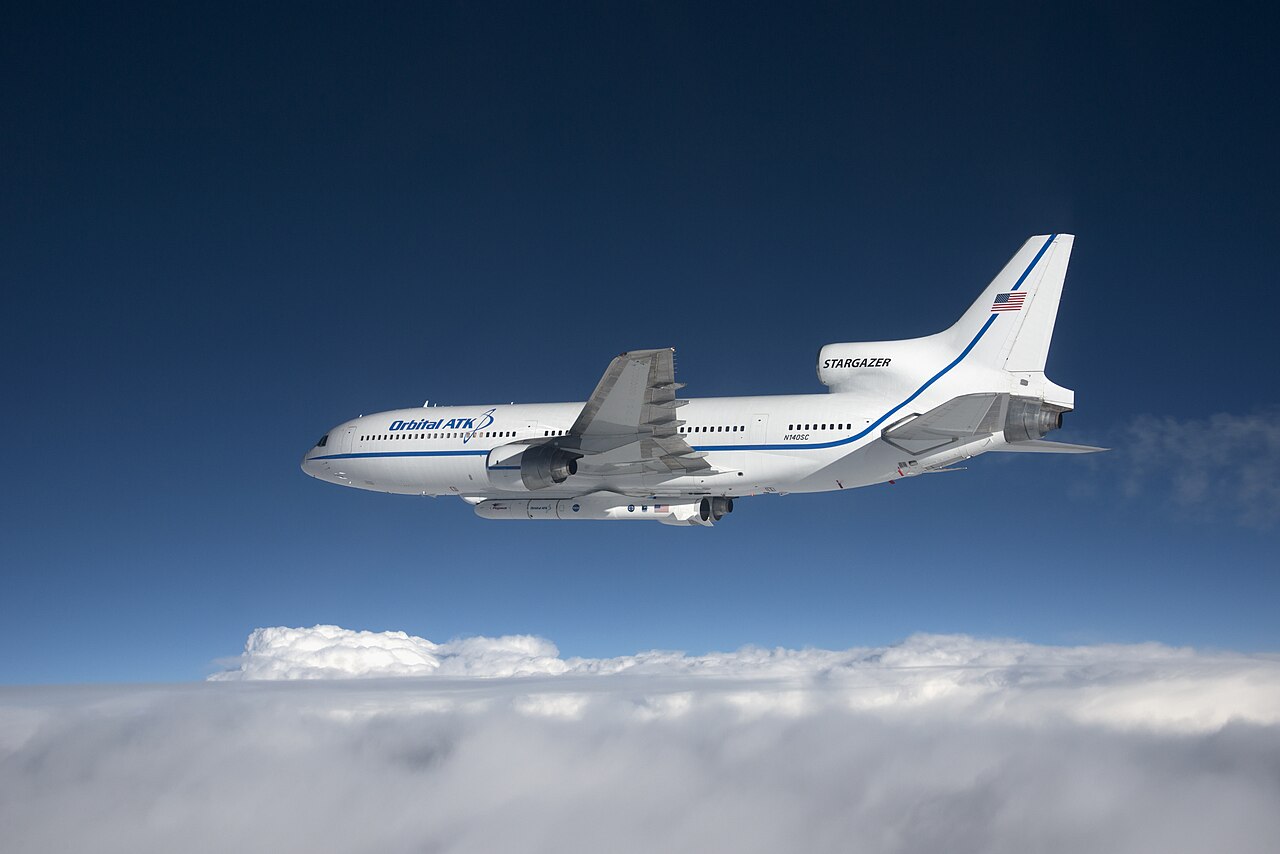

In the vast landscape of global aviation, few aircraft possess a silhouette as unmistakable and a mission as critical as the NASA Super Guppy (N941NA). This titan of the skies, derived from the glorious remnants of the piston-engine era and transformed into a marvel of aerospace logistics, represents the only airlift capable of housing the oversized cargo of the Artemis program. While modern jets streak through the stratosphere, the Super Guppy plies the American skies at low altitude and modest speeds, carrying the beating heart of future lunar missions: the Orion command module.
✈️ Technical Data & Performance
- Manufacturer: Aero Spacelines / Boeing
- Model: 377SG (Super Guppy Turbine)
- Propulsion: 4x Allison 501-D22C Turboprops
- Cruise Speed: 250 knots (approx. 460 km/h)
- Service Ceiling: 25,000 feet
- Maximum Range: 2,000 nautical miles
History, Birth, and Design Philosophy
The genesis of the Super Guppy is a tale of engineering necessity defying the laws of form. In the 1960s, during the space race, NASA faced a logistical dilemma: how to transport the massive Saturn V rocket stages from factories in California to launch pads in Florida. Sea transport through the Panama Canal took weeks and exposed components to salt spray. Jack Conroy, an aviation visionary, proposed modifying surplus Boeing 377 Stratocruisers by disproportionately widening their fuselages. Thus, the 'Guppy' series was born. The current version in service with NASA, N941NA, is the last operational specimen of a lineage that enabled man to reach the Moon.
Aeronautical Engineering, Engines, and Aerodynamics
From an engineering standpoint, the Super Guppy is a fascinating hybrid. The lower fuselage section and wings are derived from the Boeing 377, itself based on the B-29 Superfortress bomber. However, the upper section was expanded to reach an internal diameter of 25 feet (7.6 meters). To power this aerodynamically complex mass, the original Pratt & Whitney R-4360 piston engines were replaced with powerful Allison 501-D22C turboprops (the civilian version of the T56 powering the C-130 Hercules), mated to four-bladed Hamilton Standard propellers. The most distinctive feature is the 'swing nose': the entire front section of the fuselage rotates 110 degrees sideways on massive hinges, allowing direct access to the cargo hold.
Life in the Cockpit: Operating Procedures and Pilots
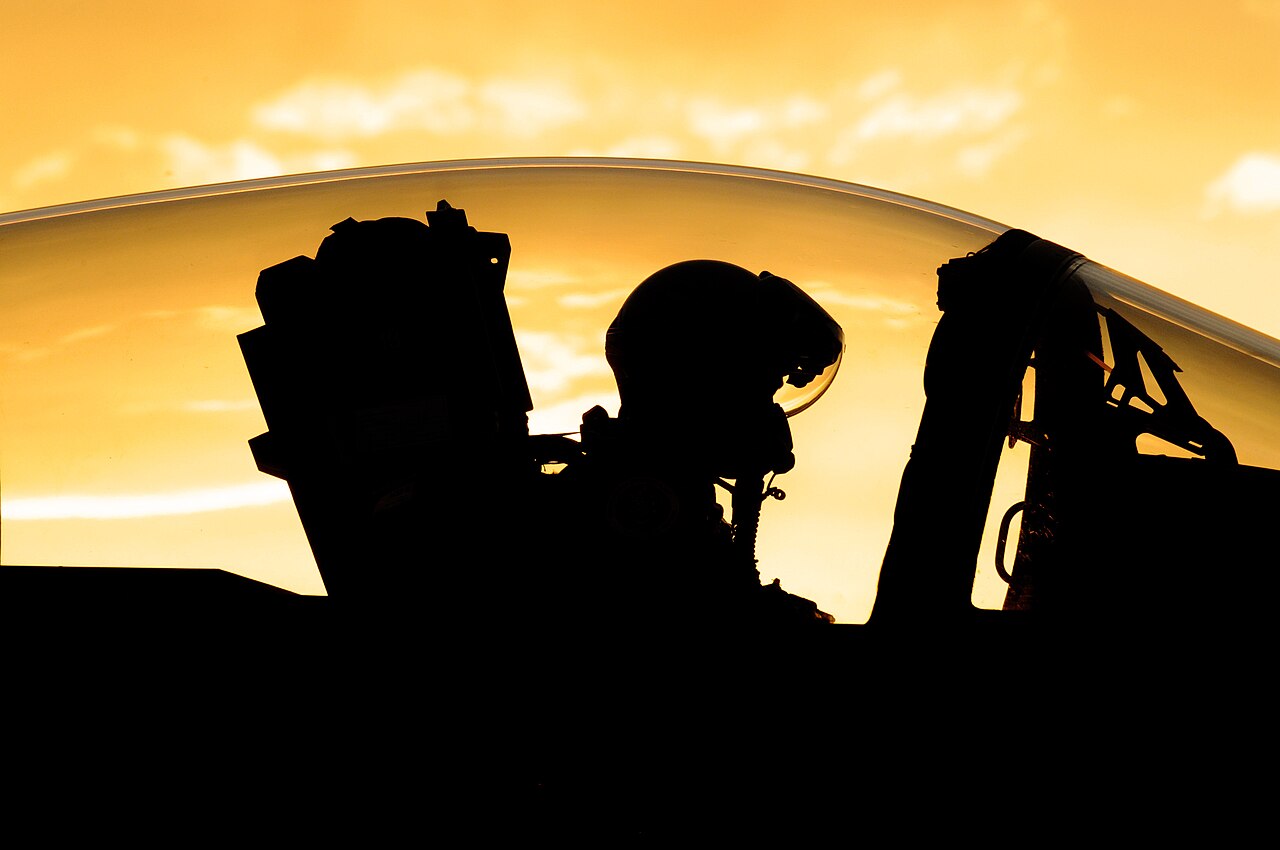
Flying the Super Guppy is an experience that requires old-school mastery. Despite avionic upgrades, the aircraft remains an analog and heavy machine. NASA pilots describe the handling as 'extremely physical,' especially in crosswinds, where the fuselage's massive side surface acts like a sail. Takeoff and landing procedures are meticulous; due to aerodynamic drag, the aircraft has a very narrow operating speed window. There is no fly-by-wire system: every control input is transmitted via cables and pulleys, requiring perfect coordination between the pilot, co-pilot, and flight engineer, the latter being essential for managing the parameters of the four Allison engines.
Real Missions, Famous Routes, and Operational Challenges
The N941NA's most famous route connects the Johnson Space Center in Houston with the Kennedy Space Center in Florida. When transporting the Orion module, the flight plan must account for unique variables. The weight of the cargo and the shape of the aircraft limit the cruise altitude, making the Super Guppy vulnerable to low-altitude turbulence. Every mission is a media event: the aircraft's rare radar appearances draw enthusiasts from around the world. In addition to the Artemis program, the Guppy has transported International Space Station components and historic aircraft, demonstrating a versatility that no modern cargo aircraft, not even the Airbus Beluga (its spiritual descendant), can match in terms of flexibility on less-prepared runways.
| Technical Specification | Official Data |
|---|---|
| Wingspan | 47.6 meters |
| Length | 43.8 meters |
| MTOW (Max Takeoff Weight) | 77,110 kg |
| Cargo Volume | 1,100 cubic meters |
| Crew | 4 (Pilot, Co-pilot, Flight Engineer, Loadmaster) |
| Max Fuel | 23,000 liters |
In conclusion, the NASA Super Guppy remains an irreplaceable pillar of space exploration. Despite the advent of new technologies, its ability to swallow impossible loads and transport them across continents ensures that as long as humanity looks to the stars, there will be a need for this silver-winged giant to lift our ambitions off the ground.