The explosion of 4G/LTE (800/700 MHz band) and 5G mobile telecommunication infrastructure (C-band sublevels around 3.4-3.8 GHz and spurious harmonics) has made receiving 1090 MHz ADS-B signals an increasingly arduous task for feeders worldwide. Installing an SDR receiver like our RTL-SDR v4 or an Airspy Mini in an urban environment without proper RF filtering means exposing the front-end to devastating saturation. In this article, we thoroughly analyze technical differences, attenuation curves, and field performance between classic Surface Acoustic Wave (SAW) filters and sophisticated resonant cavity filters, offering practical configurations and commands to optimize your setup on map.adsbitalia.it.
⚡ Technical Sheet & Operational Data
1. The Anatomy of the Problem: RF Saturation and Noise Floor
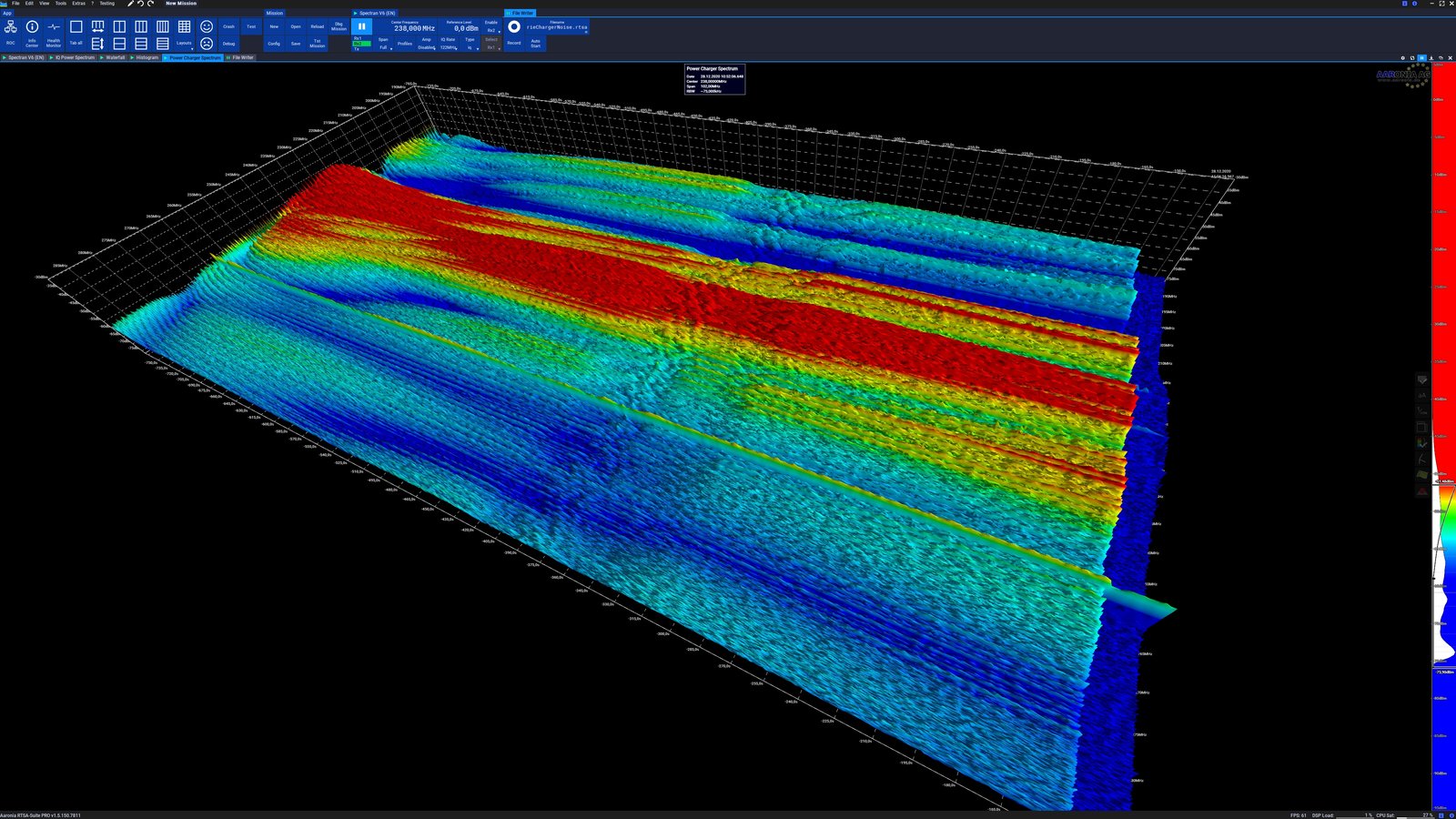
When a cellular base station is located a few tens or hundreds of meters from the 1090 MHz ADS-B receiving antenna, the radiated field power from LTE transmitters (uplink/downlink frequencies between 703 and 960 MHz, and new 5G n28 bands at 700 MHz) completely overwhelms weak Mode-S pulses transmitted by airborne aircraft. Even if the 1090 MHz center frequency is theoretically separate, spectral proximity causes intermodulation and desensitization of the integrated LNA gain inside the receiver.
2. SAW Filters vs Cavity Filters: Instrumental Comparison
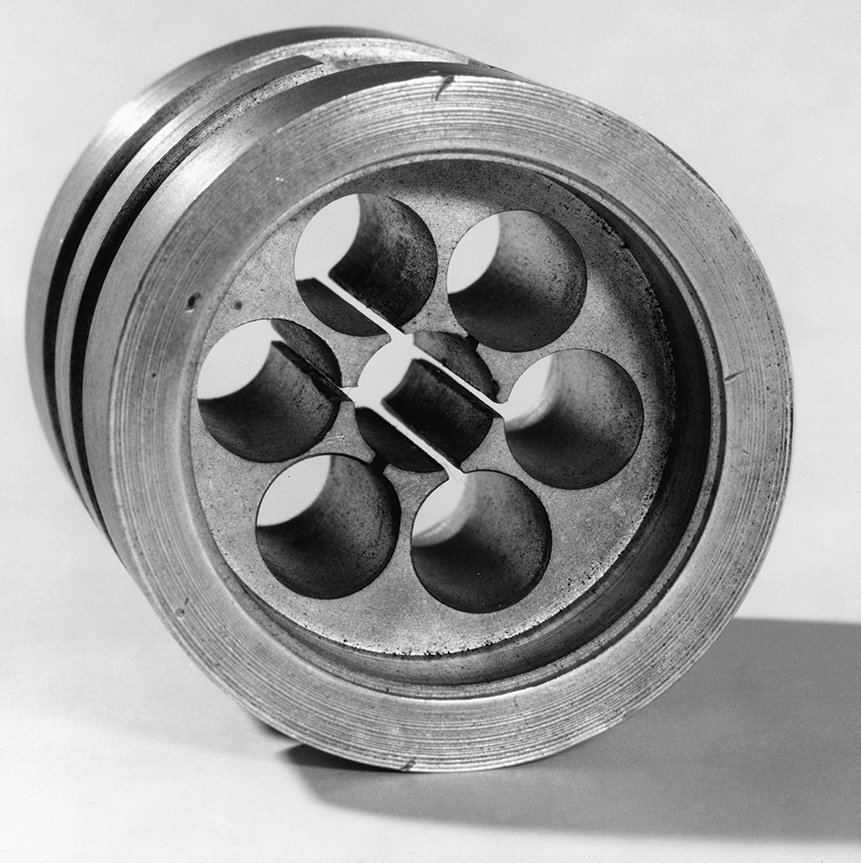
To mitigate interference, feeder operators mainly employ two passive filtering technologies before the low-noise amplifier (LNA) stage:
| Technical Parameter | SAW Filter (Surface Acoustic Wave) | Resonant Cavity Filter (Coaxial) |
|---|---|---|
| Insertion Loss | 1.5 dB – 2.5 dB | 0.5 dB – 1.2 dB |
| -3 dB Bandwidth | Typically wide (~10-20 MHz) | Very narrow & selective (2-5 MHz) |
| LTE Band Rejection (800 MHz) | Moderate (35 - 45 dB) | Excellent (> 70 - 90 dB) |
| Max RF Power Handling | Low (+10 dBm max) | High (> +30 dBm / 1W) |
| Cost & Engineering | Economical, compact SMA form factor | More expensive, bulky, metallic chassis |
3. Receiver Hardware Configuration and Software Stack
To maximize your receiver's performance in combination with a 1090 MHz cavity filter, it is essential to use low-noise components and correctly configure the demodulation software (e.g. readsb or dump1090-fa).
Run package updates and compile the latest version of readsb on your Raspberry Pi:
sudo apt update && sudo apt install -y git build-essential debhelper libusb-1.0-0-dev pkg-config librtlsdr-dev
git clone https://github.com/wiedehopf/readsb.git
cd readsb
make -j$(nproc)
sudo make install*8d4840d6580b1e38b0837df21137; amplitude=0.42; snr=21.4dB; noise=-34.2dBFS; freq_offset=+120Hz;
4. Share Your Data with ADSBItalia (Feeding)
Once your hardware setup is optimized and all residual LTE/5G noise is eliminated, your station feeder will be able to capture long-range ADS-B packets, feeding the national network. You can forward raw data streams in Beast or AVR format to our aggregation servers.
To configure your transmission client, please refer to our Official ADSBItalia Feeder Guide. Immediately verify your station's coverage by visiting our Live Radar Map map.adsbitalia.it and join our technical community on our support channel.